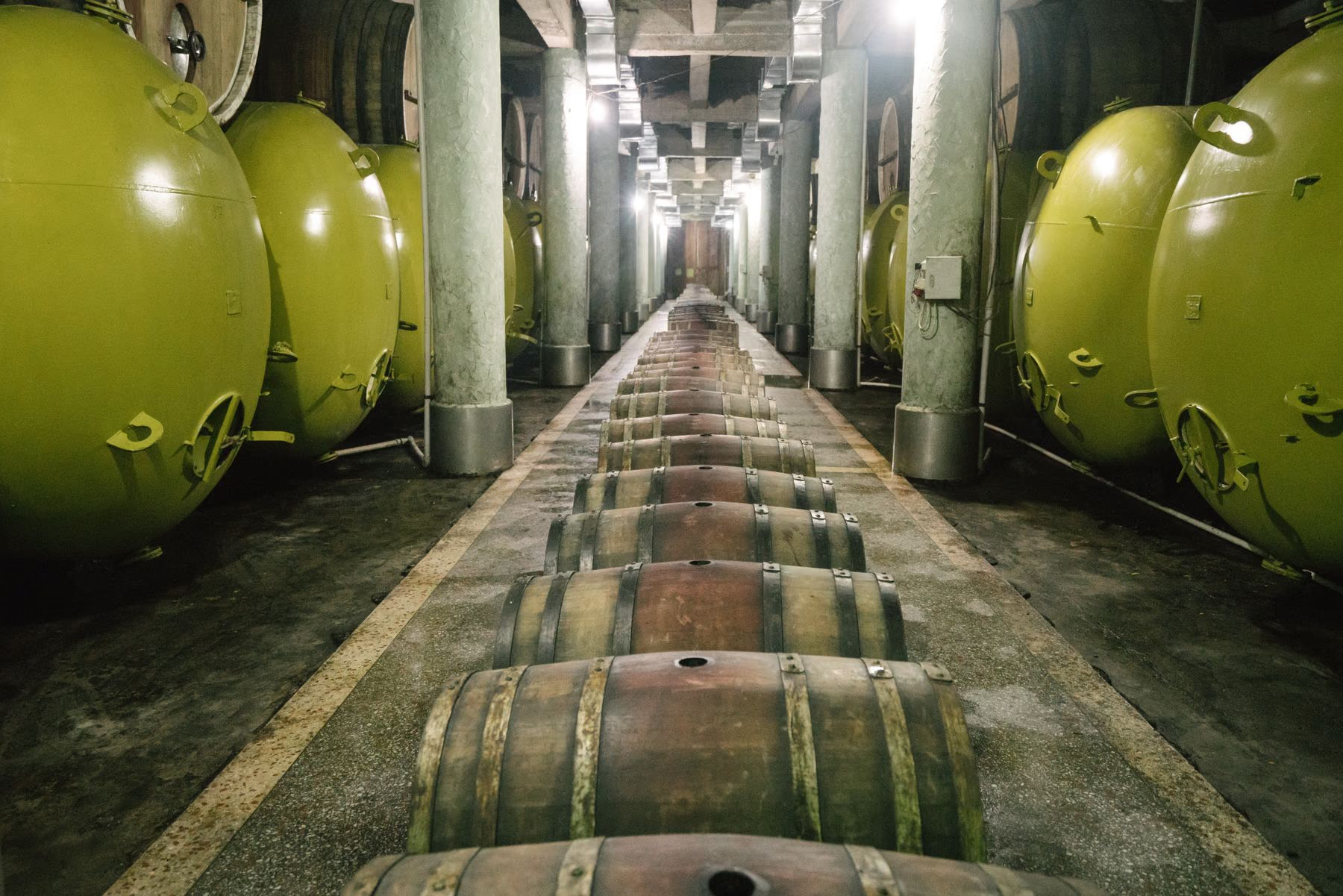
A vineyard estate combines land, agriculture, buildings and, in many cases, an operating wine business. The beauty of the setting matters, but productive capacity, water, vine health, appellation rules and the strength of the operation determine what is truly being acquired.
Some buyers are seeking a private estate with vines; others want an established producer or a property with potential for careful development. The acquisition process should make that distinction clear from the outset.
The brief
Who this service is for
This service is for buyers considering a lifestyle vineyard, a producing estate or a wine business with land, buildings, stock and brand value. The brief may emphasise residence quality, terroir, production scale, reputation, hospitality potential or the ability to appoint experienced management.
The process
A considered acquisition
The process begins with intended use, region, production ambition and scale. Review then extends to title, land classification, water rights, vine age and condition, yields, winery equipment, inventory, distribution, staffing, financial performance and the regulatory position of the estate and its labels.
What requires scrutiny
Risks to understand
Climate exposure, disease, water availability, labour, ageing vines, crop variability and capital requirements can affect both output and value. Appellation restrictions, environmental obligations, stock valuation, brand ownership and reliance on key individuals also require careful examination.
Location
Geographical coverage
Wine regions are governed by highly local agricultural, planning and appellation frameworks. A search may focus on one recognised region or compare estates in several countries, with specialist viticultural, legal, tax and commercial advice appropriate to each location.
Trophy Assets
How we begin
Trophy Assets starts with the balance you want between residence, land and operating business. We then discuss how to frame the enquiry, what information is needed to compare estates and which specialist questions should be answered before a commitment is made.
A private conversation
You do not need a fully formed brief. A few words about what you have in mind are enough to begin.