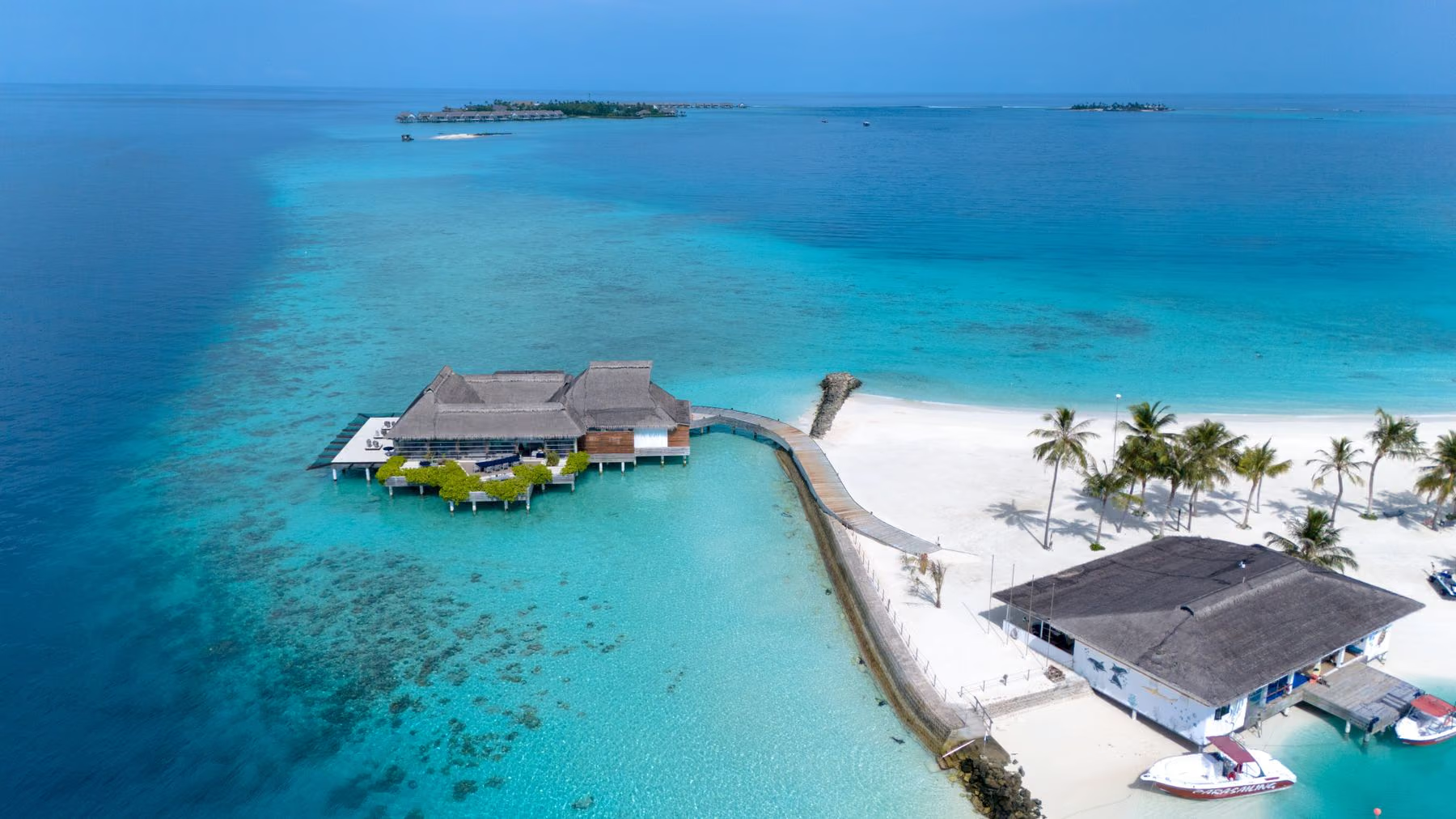
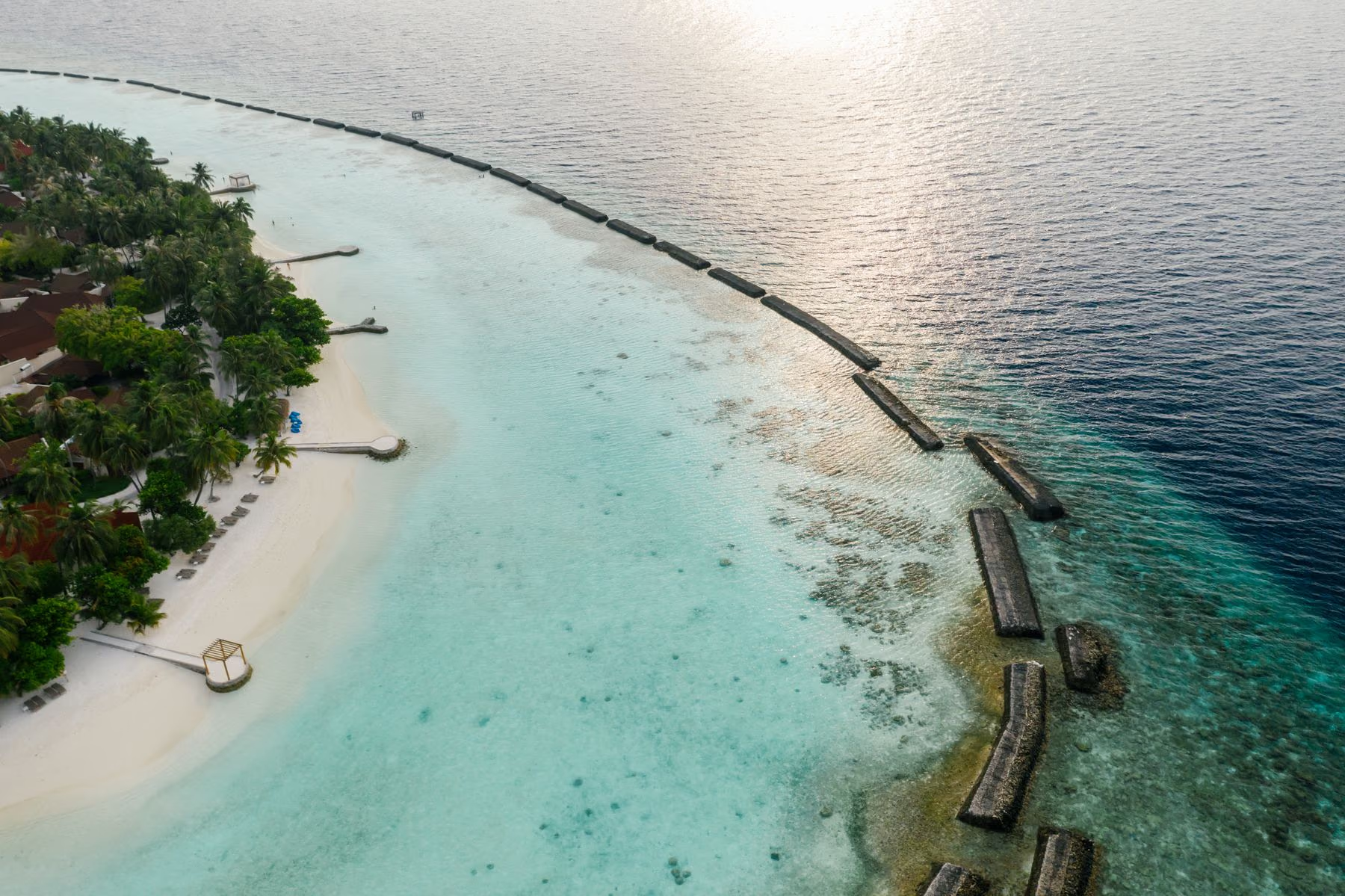
A private island acquisition begins with a question of purpose. Some buyers are seeking a personal retreat; others are considering a family estate, an established resort or a long-term project. The right island must work as a place to reach, operate and care for, not simply as a compelling view.
The search is therefore shaped by privacy, accessibility, climate, existing infrastructure and the practical realities of ownership. A disciplined brief helps distinguish an exceptional setting from an acquisition whose obligations are greater than its possibilities.
The brief
Who this service is for
This service is for buyers considering an entire island, a substantial island holding or an existing island resort. It may begin with a named opportunity or with a broader brief covering intended use, travel time, accommodation, guest requirements and the desired level of seclusion.
The process
A considered acquisition
A typical process moves from defining the brief and preferred jurisdictions to reviewing credible opportunities, confirming ownership and access, assessing infrastructure and commissioning appropriate legal, environmental and technical enquiries. Commercial terms should be considered alongside the capital and operational work required after completion.
What requires scrutiny
Risks to understand
Title, foreshore rights, planning restrictions, environmental protections, freshwater, power, waste, communications and emergency access can materially affect an island acquisition. Weather exposure, staff logistics, marine access and the cost of maintaining infrastructure also need to be understood before price is viewed in isolation.
Location
Geographical coverage
Location is part of the asset. The brief may focus on one country or compare island markets across several regions. Ownership rules, coastal regulation, development rights and local operating conditions vary by jurisdiction, so qualified local legal, tax and technical advice remains essential.
Trophy Assets
How we begin
Trophy Assets begins with your objectives, preferred locations, timescale and practical requirements. We can then discuss the appropriate scope for the search, the information required to assess an opportunity and the specialist input that may be needed before you decide how to proceed.
A private conversation
You do not need a fully formed brief. A few words about what you have in mind are enough to begin.