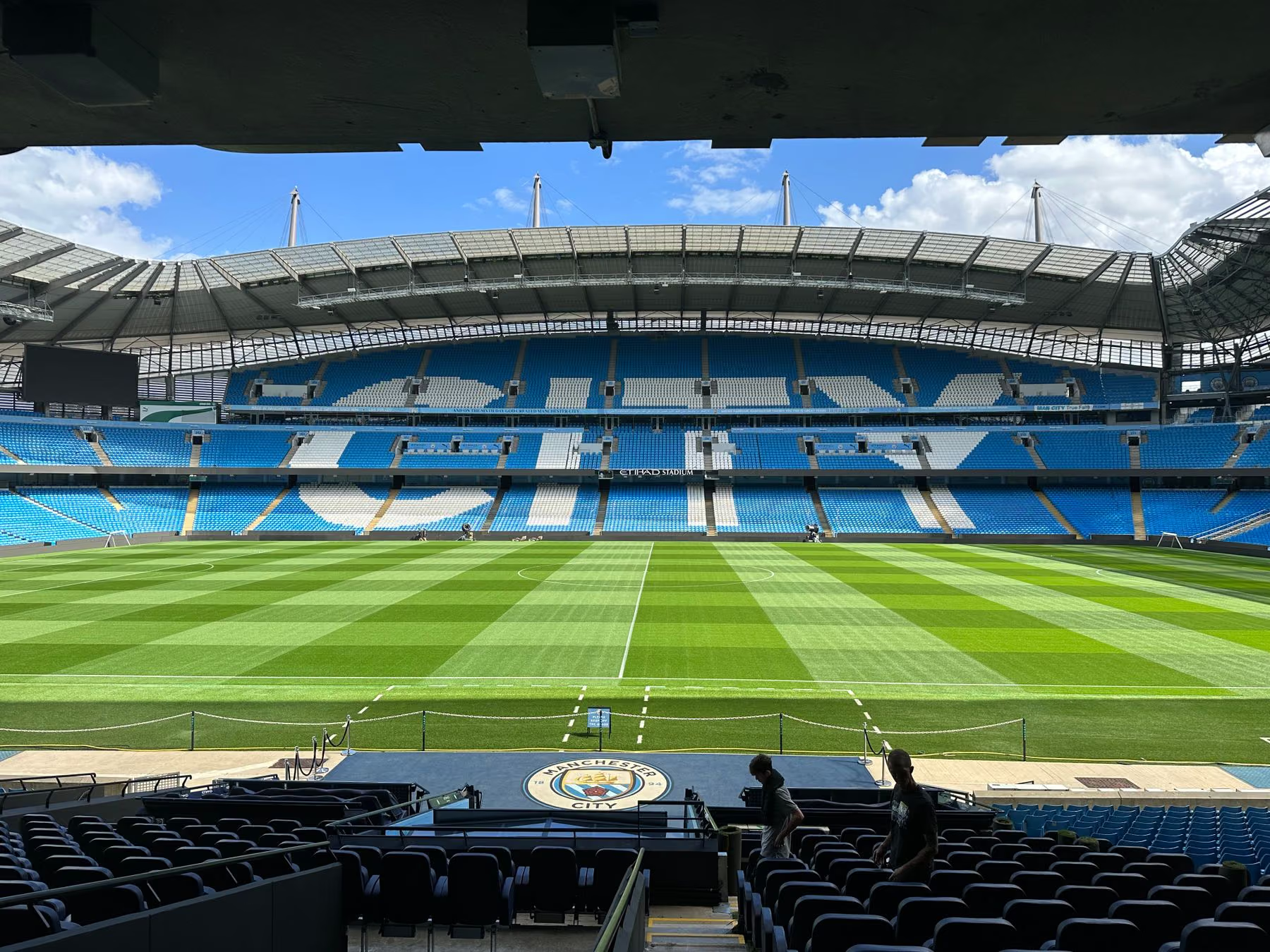
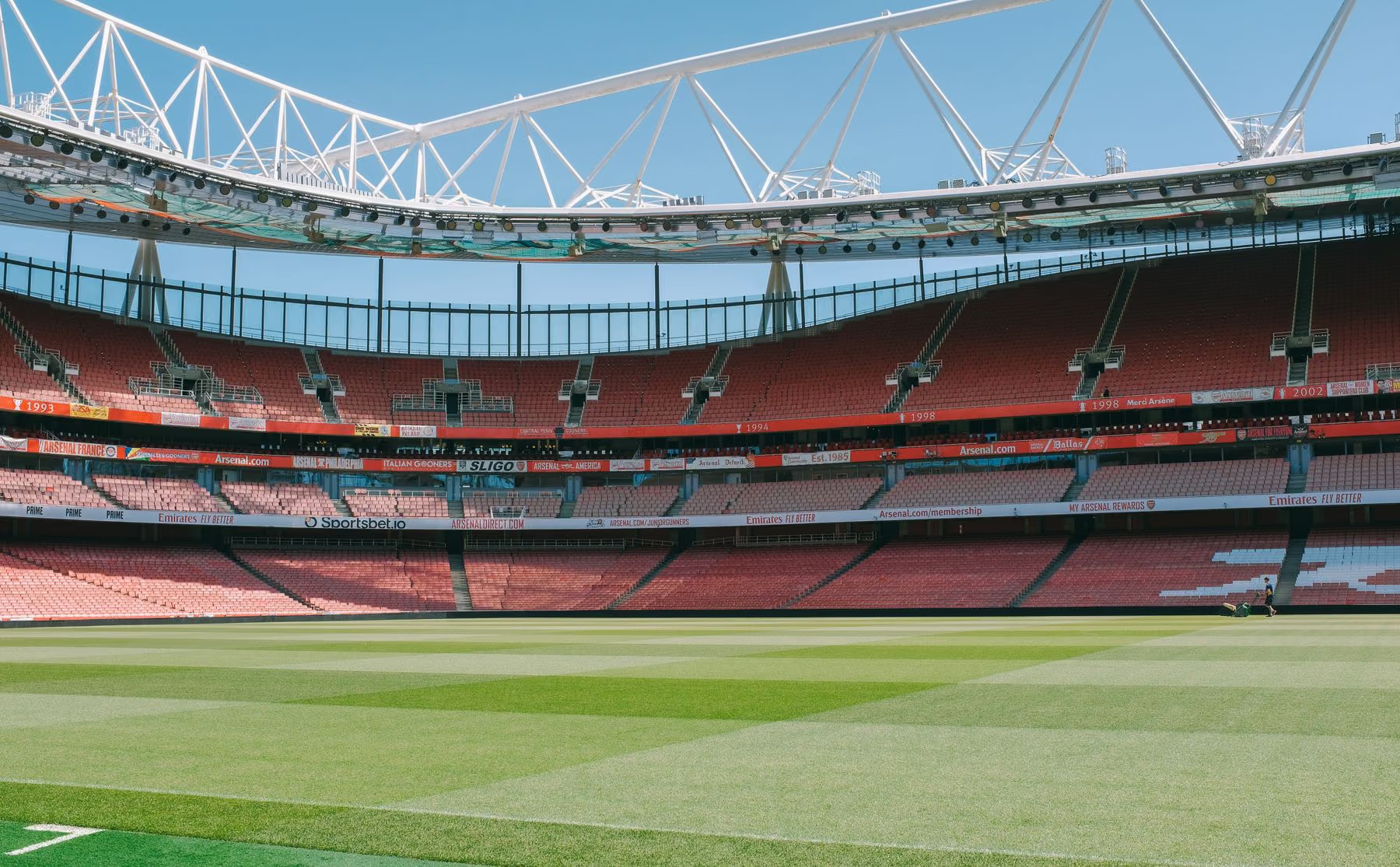
A football club is a sporting institution, an operating business and a community asset. An acquisition must account for competitive ambition and identity while examining governance, funding, infrastructure and the obligations that continue long after completion.
The visible elements of the club are only part of the transaction. League rules, ownership tests, debt, player commitments, stadium arrangements and working capital can determine whether the buyer’s long-term plan is credible.
The brief
Who this service is for
This service is for private investors, family offices and strategic groups considering control of a football club or a significant ownership position. The objective may involve sporting development, infrastructure, academy investment, commercial growth or the long-term stewardship of an established institution.
The process
A considered acquisition
A transaction typically progresses from league, geography and investment criteria to confidential opportunity review, financial and legal diligence, governance and ownership approvals, negotiation and completion planning. Funding for the acquisition must be considered together with the capital required to operate and develop the club.
What requires scrutiny
Risks to understand
Debt, contingent liabilities, player contracts, transfer obligations, stadium ownership or leases, related-party arrangements, tax, regulatory compliance and short-term cash requirements require detailed review. Sporting performance is volatile, and assumptions about promotion, media income or player trading should be tested carefully.
Location
Geographical coverage
Every league and national association has its own ownership, control and financial rules. A search may concern one football system or compare clubs in several countries, but each opportunity requires local regulatory, legal, financial and sporting expertise.
Trophy Assets
How we begin
Trophy Assets begins with the buyer’s objectives, preferred leagues, investment scale and intended level of involvement. We then discuss the information required to consider an opportunity and the specialist diligence and approvals that should shape the next step.
A private conversation
You do not need a fully formed brief. A few words about what you have in mind are enough to begin.