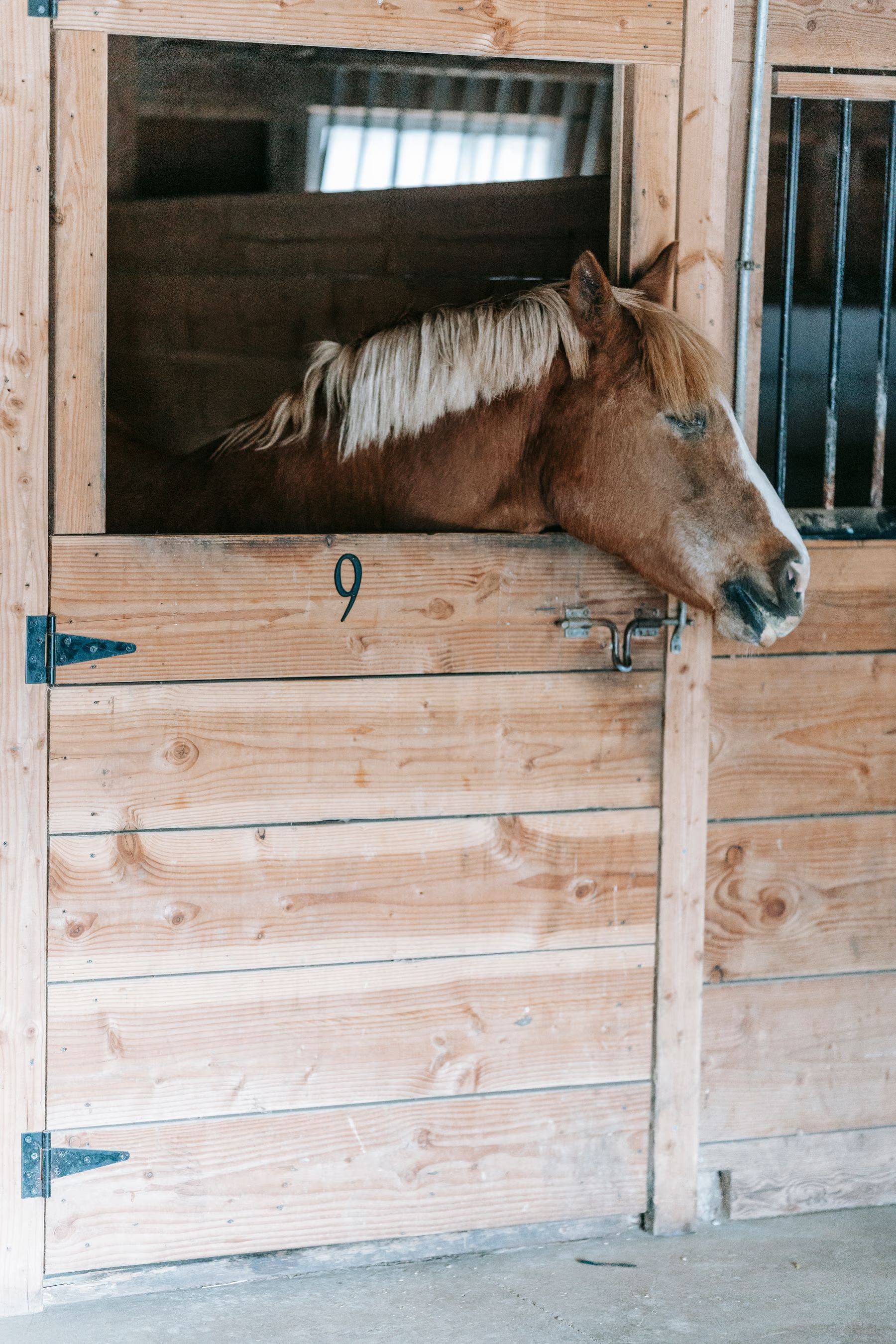
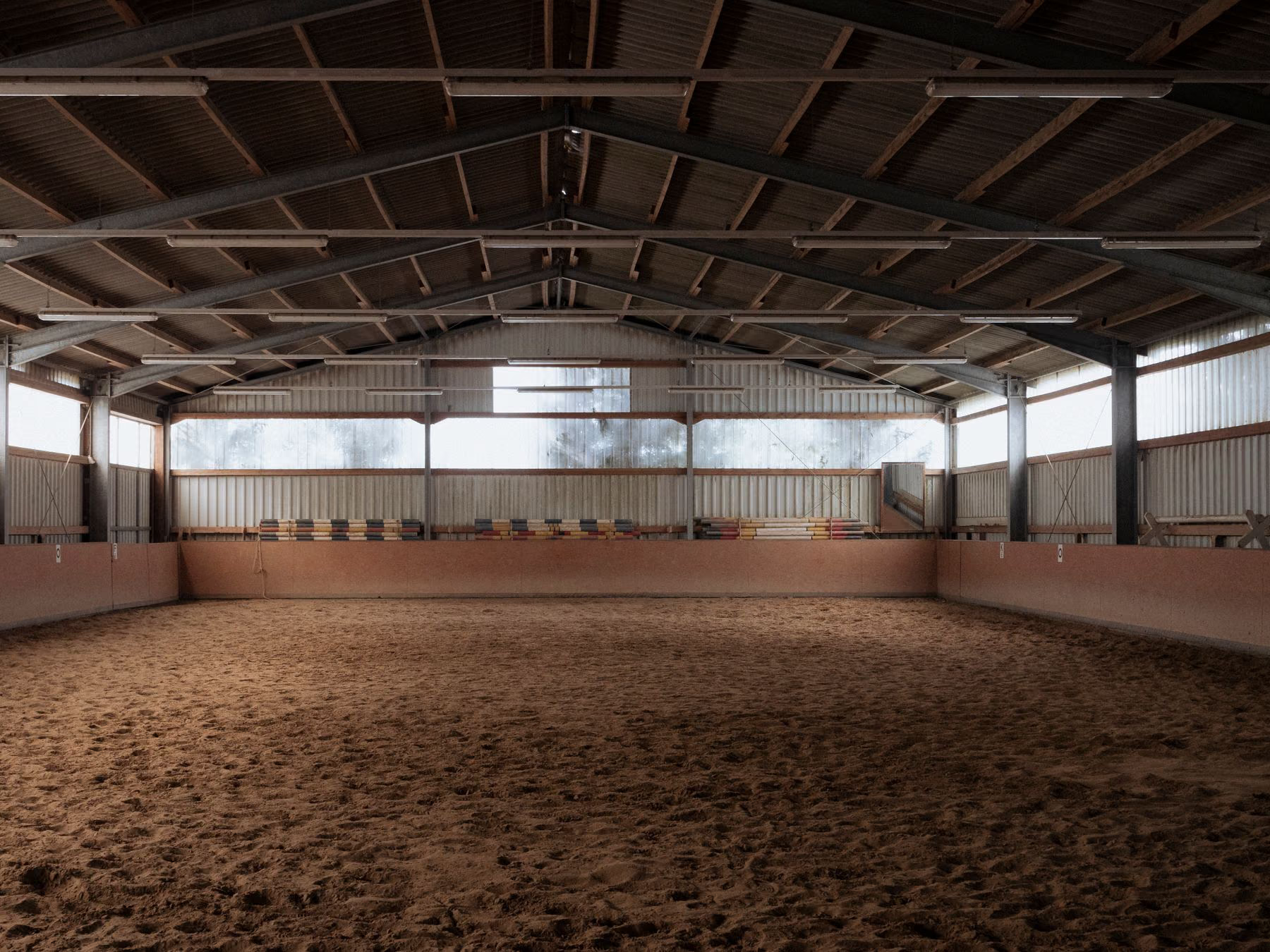
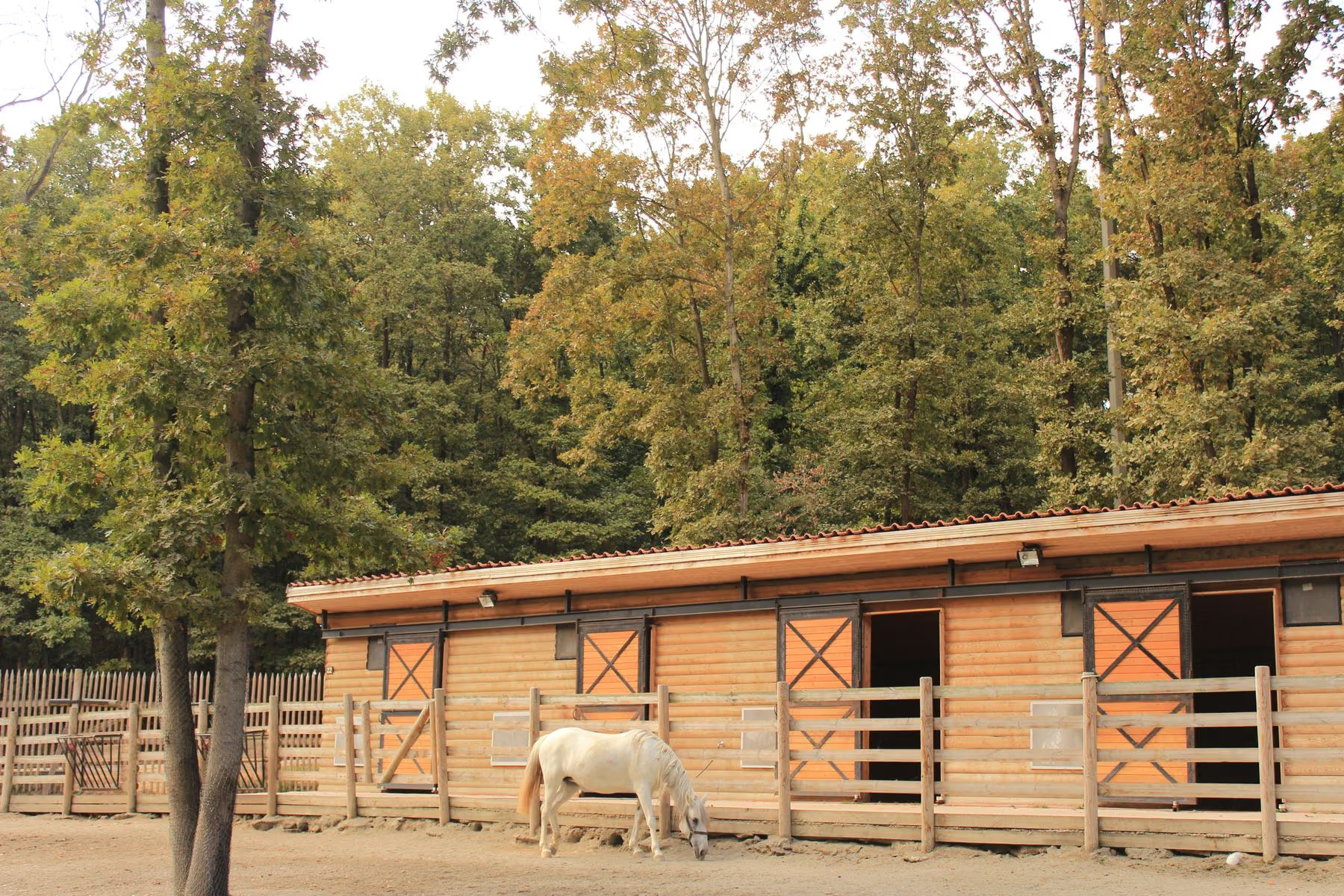
An equestrian estate must work for the horses and the people who live, train and care for them. Acreage alone does not establish suitability; soil, drainage, turnout, circulation, stabling, arenas, hacking and access for staff and vehicles all influence daily use.
The residence and landscape should be considered together with the equestrian infrastructure. A well-presented property may still require substantial adaptation if the facilities do not match the buyer’s discipline or level of operation.
The brief
Who this service is for
This service is for buyers seeking a private equestrian home, competition base, breeding property or rural estate capable of supporting a defined number of horses. The brief may include indoor and outdoor arenas, staff accommodation, secure grazing, veterinary access and proximity to training or competition venues.
The process
A considered acquisition
The process begins with the equestrian programme, land requirement, preferred location and residential needs. Potential estates are then assessed for title, planning permissions, water, drainage, fencing, stabling, arenas, access, outbuildings and the condition and capacity of existing facilities.
What requires scrutiny
Risks to understand
Poor drainage, unsuitable soil, insufficient turnout, weak access, unauthorised buildings and inadequate water or waste arrangements can make a property expensive to operate. Rights of way, nearby development and planning limits may also affect privacy, safety and future improvement.
Location
Geographical coverage
The search is normally led by discipline, travel patterns and access to the relevant equestrian community. Local land, planning, animal welfare and building requirements vary, so property and equestrian specialists should be engaged in the relevant jurisdiction.
Trophy Assets
How we begin
Trophy Assets begins by understanding the horses, people, facilities and setting the estate must serve. We then discuss how to compare opportunities and identify the property, planning and operational questions that need to be resolved.
A private conversation
You do not need a fully formed brief. A few words about what you have in mind are enough to begin.