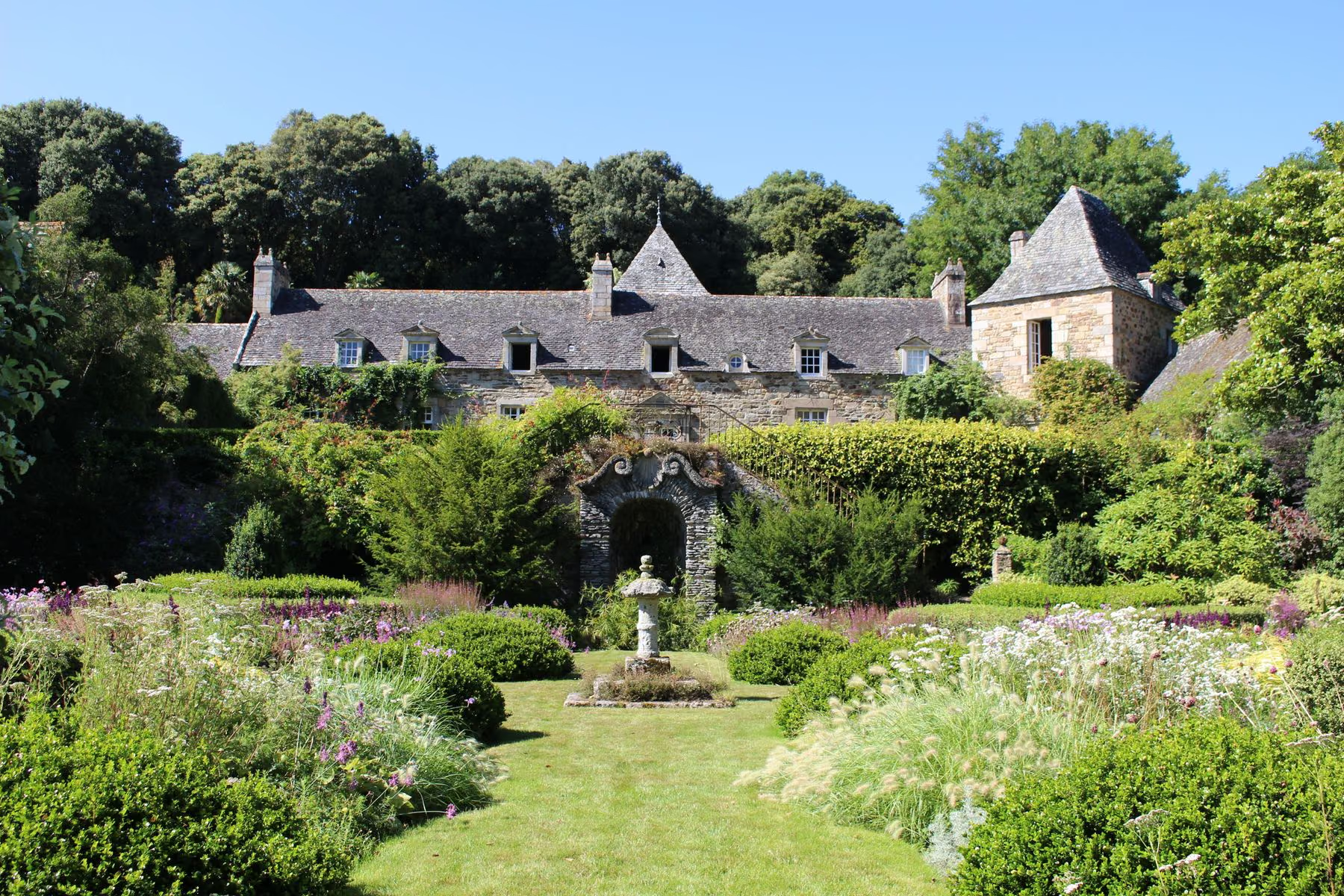
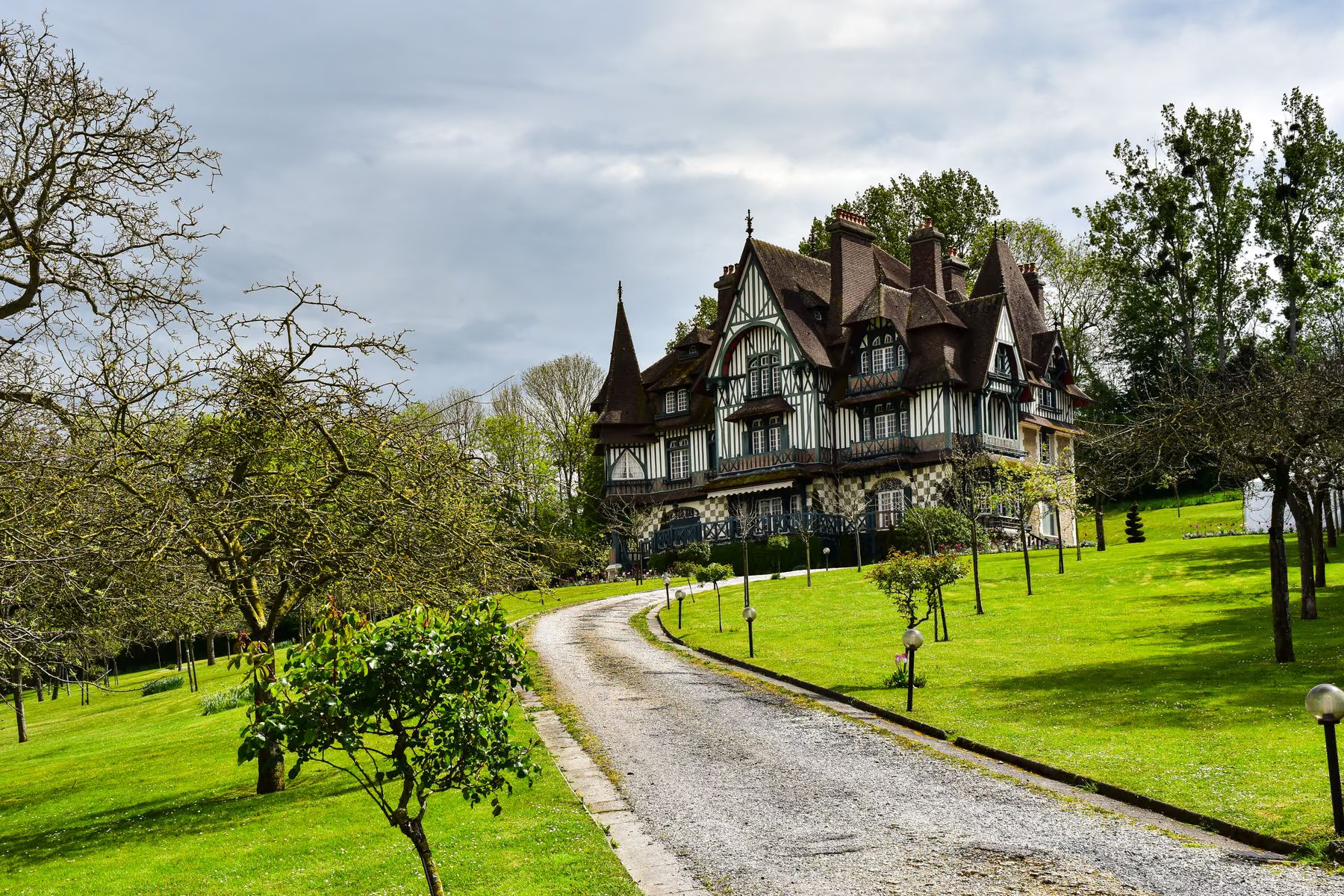
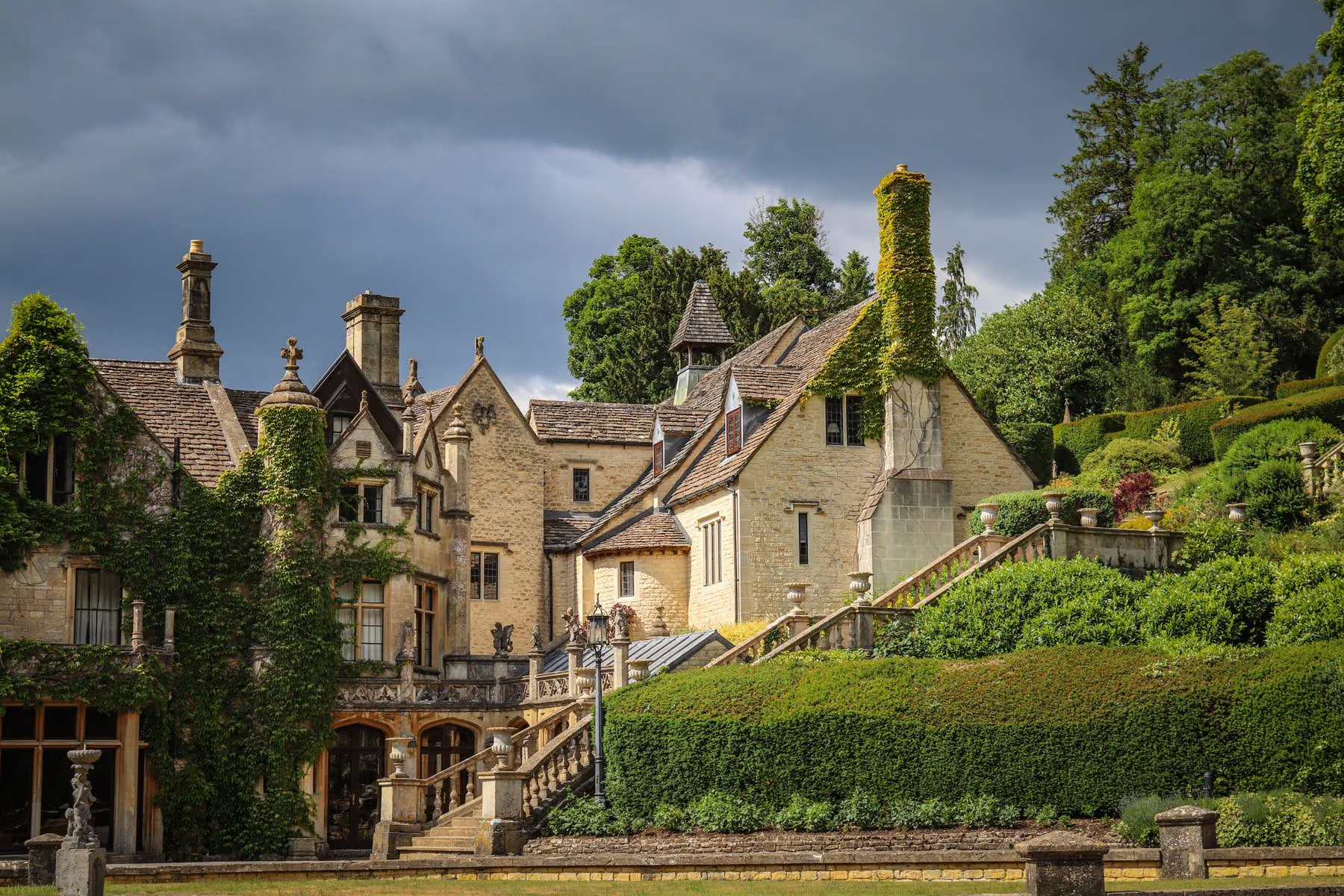
A country estate is a home, a landscape and often an operating property. The quality of the principal residence matters, but so do the land, secondary buildings, privacy, access and the demands that accompany stewardship of a significant rural holding.
The strongest acquisitions align architecture and setting with the buyer’s intended way of living. A careful process looks beyond presentation to understand the estate as a complete ownership proposition.
The brief
Who this service is for
This service is for buyers seeking a principal country residence, a private family retreat or a broader rural estate with land and supporting buildings. Requirements may include proximity to a city or airport, sporting or equestrian use, accommodation for guests and staff, or the capacity to improve the property over time.
The process
A considered acquisition
The acquisition process begins with location, scale, architectural character and intended use. Potential estates are then considered against title, boundaries, access, planning history, listed status, land use, building condition and ongoing management. Specialist surveys and legal enquiries should be proportionate to the complexity of the holding.
What requires scrutiny
Risks to understand
Rights of way, restrictive covenants, agricultural tenancies, protected buildings, drainage, private water, woodland obligations and the condition of outbuildings can alter both use and cost. Deferred maintenance is particularly important where an estate contains several structures rather than one residence.
Location
Geographical coverage
A search may centre on a specific county or compare rural markets across the United Kingdom and other established estate locations. Local planning, heritage, land and ownership rules must be considered in the jurisdiction where the property sits.
Trophy Assets
How we begin
Trophy Assets starts by understanding the purpose of the estate, preferred setting, scale and timescale. We then discuss how an opportunity should be considered, what information is required and which specialist questions should be resolved before the acquisition advances.
A private conversation
You do not need a fully formed brief. A few words about what you have in mind are enough to begin.